Dentures
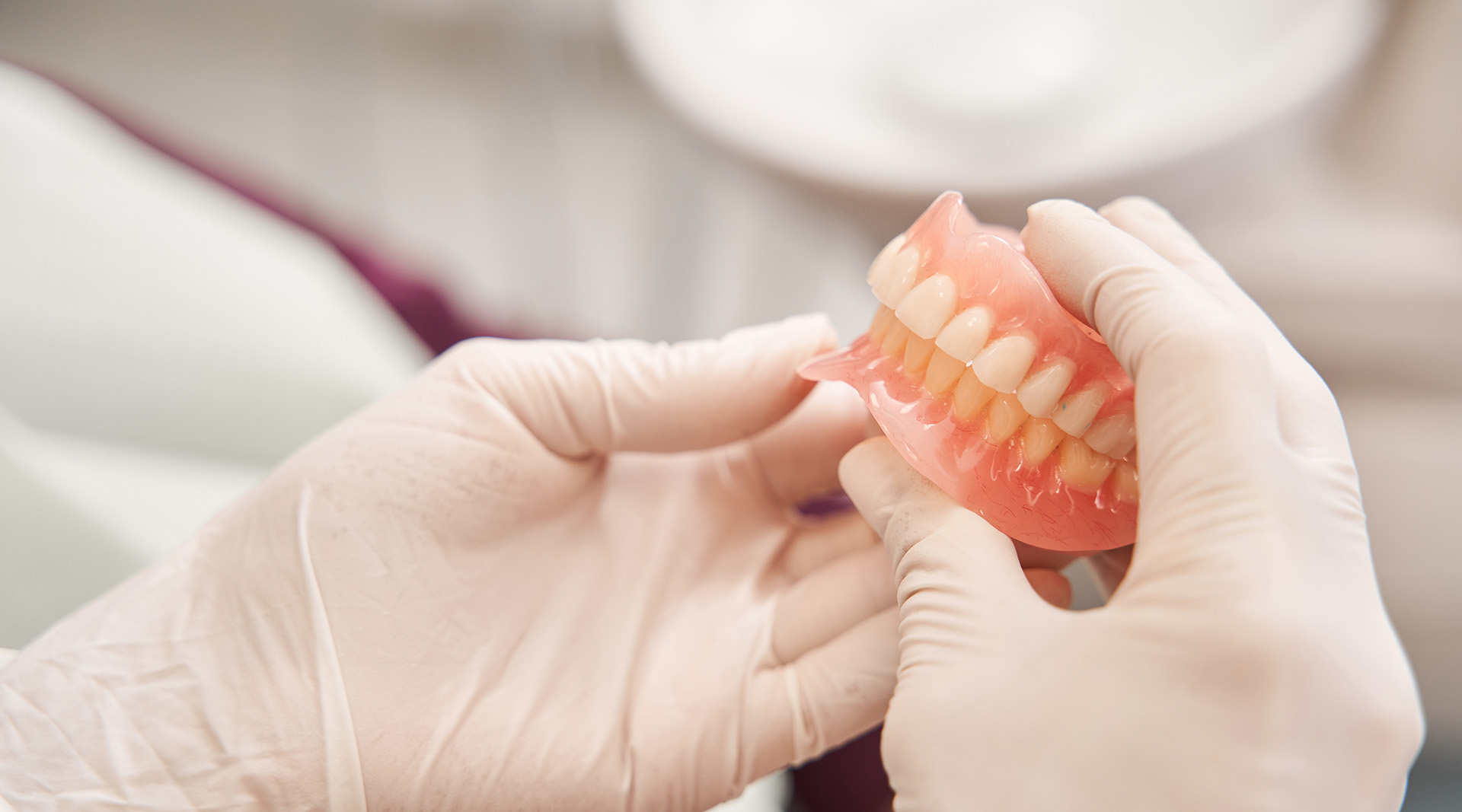
Advances in materials, digital planning, and prosthetic design have made dentures more comfortable and natural-looking than ever. For many patients, a well-made denture restores not just a smile but the ability to eat, speak, and engage with confidence. Dentures remain a practical and adaptable solution for replacing missing teeth, whether a few teeth are gone or an entire arch is missing.
At the office of Woodside Dental, we focus on creating prostheses that support healthy oral function and complement each patient’s facial features. Our approach blends careful clinical evaluation with modern laboratory techniques to deliver dentures that feel secure and look lifelike. Patients appreciate solutions that are designed to match their goals while preserving the health of remaining teeth and oral tissues.
Tooth loss impacts far more than just appearance. Gaps in the dental arches change the way forces are distributed during biting and chewing, which can lead to tooth migration, uneven wear, and increased stress on remaining teeth. Over time these changes may contribute to functional problems and difficulty maintaining a balanced diet.
Beyond function, missing teeth influence facial support. Without replacement, the soft tissues and bone that once surrounded teeth can gradually change shape, subtly altering cheek and lip fullness. For many patients, restoring that support helps them look and feel more like themselves.
Taking action to replace lost teeth also supports long-term oral health. Well-designed dentures protect oral tissues, help preserve the position of remaining teeth, and allow patients to maintain clearer speech and better nutrition—factors that contribute to overall quality of life.
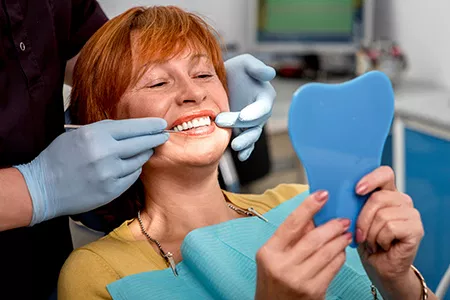
Contemporary dentures are crafted from advanced acrylics, composite resins, and high-strength base materials that mimic the translucency and contours of natural gums and teeth. Today's prostheses are less bulky, more esthetic, and designed for a precise fit that minimizes sore spots. Technicians and clinicians work together to select tooth shapes, shades, and occlusal schemes that harmonize with each patient's face.
Unlike older, one-size-fits-all devices, modern dentures are the result of a stepwise process: diagnostic planning, detailed impressions or digital scans, try-ins to confirm fit and esthetics, and staged adjustments after delivery. This process reduces the need for extensive post-insertion corrections and improves long-term comfort and function.
Removability is a defining characteristic of traditional dentures and remains an advantage for many patients. Being able to remove the appliance allows thorough cleaning of both the prosthesis and the underlying tissues, which supports daily hygiene and helps prevent tissue irritation. For patients who prefer a fixed option, hybrid solutions that combine implants with overdentures are available and discussed during planning.
Choosing between a full denture, a partial denture, or an implant-retained prosthesis depends on the number and condition of remaining teeth, the health of the gums and bone, and a patient’s functional and aesthetic priorities. A careful clinical exam and appropriate imaging guide this decision so the recommended design supports predictable function and long-term tissue health.
Complete dentures replace an entire upper or lower arch when no natural teeth remain. They can be crafted as conventional dentures after healing from extractions, or provided immediately at the time of tooth removal so patients are not without teeth during the healing period. Both approaches have merits and are selected based on individual healing patterns and patient goals.
Immediate dentures offer an expedient transition but often need relining as tissues remodel. Implant-assisted overdentures use a small number of specially placed implants to anchor the denture, greatly improving retention and chewing stability while still allowing the prosthesis to be removed for hygiene. This option is often recommended when additional support would enhance comfort and function.
When several healthy teeth remain, a removable partial denture restores missing units while using clasps or precision attachments to stabilize the appliance. Partial frameworks can be made from metal alloys, flexible polymers, or hybrid materials, each offering different balances of strength, comfort, and esthetics. A thoughtfully designed partial also helps prevent unwanted drifting of adjacent teeth.
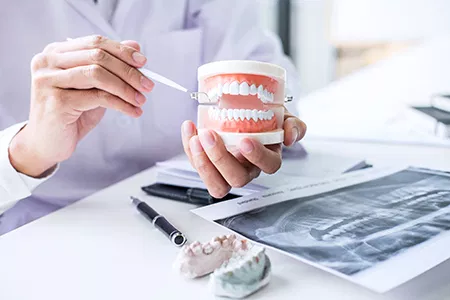
Successful denture treatment begins with a thorough assessment that includes medical and dental history, oral examination, and appropriate imaging. We evaluate the condition of remaining teeth, the shape of ridges, musculature, and how the jaws meet so that the final prosthesis supports efficient function. Patient expectations and lifestyle are also central to the discussion.
The fabrication process typically involves impressions (or digital scans), bite records, and try-in appointments where we verify tooth position, color, and how the prosthesis interacts with the lips and cheeks. These checkpoints allow the clinical team to refine the denture before final processing. A precise laboratory workflow and attention to occlusion reduce later adjustments and improve long-term comfort.
Once the denture is delivered, an initial adjustment period is common. We schedule follow-up visits to ease tender areas, optimize bite relationships, and help patients adapt to speaking and chewing with their new appliance. When necessary, relines or minor repairs maintain fit as tissues change over time.

Adjusting to a new denture takes patience. Early on, you may notice increased saliva, slight changes in speech, or sensitivity in the tissues. These reactions are normal and usually diminish as muscles and chewing patterns adapt. Practicing speech and starting meals with soft foods can help build confidence.
Cleaning and nightly rest are essential to the longevity of any removable prosthesis. Rinse the denture after meals, brush it daily with a non-abrasive brush, and soak it overnight when not worn. Equally important is daily care of any remaining teeth and the oral tissues; gentle brushing of gums, tongue, and palate helps maintain healthy tissues beneath the prosthesis.
Regular checkups allow the clinical team to monitor oral health, assess the fit of the denture, and recommend relines or adjustments as needed. For patients who receive implant-supported solutions, routine maintenance ensures attachments remain in good working order and that the surrounding tissues stay healthy.
At Woodside Dental, we approach denture care as a partnership: thorough evaluation, careful fabrication, and attentive aftercare together create outcomes that feel natural and support daily life. If you would like to learn more about how dentures could restore your smile and oral function, please contact us for more information.