Lifetime Tooth Replacement with Dental Implants
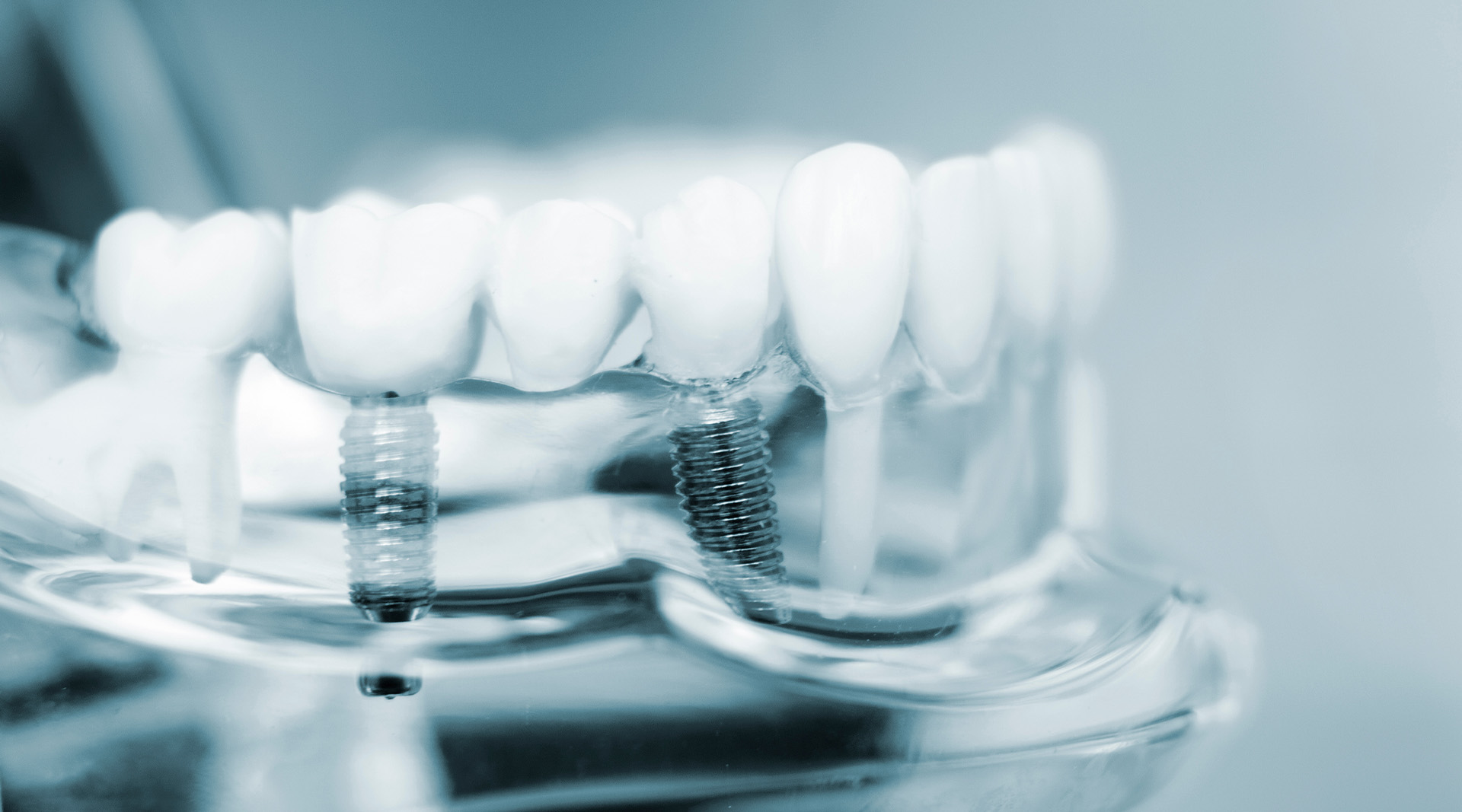
Missing teeth change more than your smile — they can affect how you eat, speak, and even how your face looks over time. Dental implants are a carefully engineered option that restores lost teeth with an emphasis on function, stability, and a natural appearance. Rather than masking a gap, implants replace the underlying support so restorative teeth behave and feel more like the real thing.
Implants are made from biocompatible materials designed to integrate with the jawbone. Once integrated, they act as a stable foundation for crowns, bridges, or dentures. This bone-level support preserves facial structure and helps prevent the gradual bone loss that often follows extractions.
At Woodside Dental, our approach centers on careful planning and predictable outcomes. We combine diagnostic imaging, proven surgical techniques, and individualized restorative design so each implant-supported solution is tailored to a patient’s personal anatomy, needs, and goals.
Traditional bridges and conventional dentures have helped millions of people regain basic function and aesthetics. However, those options typically rely on neighboring teeth or removable prosthetics for support. Implants differ because they replace the tooth root as well as the visible portion of the tooth, delivering superior stability and preserving the jawbone through natural stimulation.
That stimulation is important: when a tooth is absent, the bone beneath gradually remodels and shrinks. Implants transmit chewing forces to the bone, which helps maintain volume and contour. This makes implant-restored teeth especially valuable for patients concerned about long-term facial changes.
For many patients, implants also reduce the compromises that come with removable prosthetics — such as slipping, speech changes, or adhesive reliance. While not every case requires an implant, for suitable candidates they often offer a closer approximation to how natural teeth perform.
Implant therapy is versatile. A single missing tooth can often be replaced with one implant topped by a ceramic crown, restoring both function and the appearance of adjacent teeth. This eliminates the need to alter neighboring healthy teeth to support a traditional bridge.
When more teeth are missing, several approaches are possible. Implant-supported bridges use a few strategically placed implants to carry multiple replacement teeth without relying on adjacent natural teeth for support. For patients missing most or all teeth, full-arch solutions can restore a whole dental arch using four to six implants to anchor a fixed prosthesis.
There are also implant-retained overdentures that snap onto a small number of implants for improved retention while remaining removable for cleaning. Each option balances stability, maintenance, and how permanently the restoration is fixed in the mouth; your dental team will recommend the best choice for your situation.
Successful implant care begins with comprehensive planning. That typically includes a clinical exam, dental imaging to assess bone and anatomical landmarks, and a discussion of restorative goals. Planning ensures implants are positioned for optimal function and aesthetics while protecting nearby structures such as nerves and sinuses.
The surgical placement itself is commonly performed in an outpatient setting. Techniques and the length of surgery vary with the number of implants and whether bone grafting or other preparatory procedures are needed. Many patients experience minimal discomfort that is manageable with standard aftercare and short-term pain control.
After placement, implants require time to integrate with the jawbone — a process called osseointegration. During this healing phase, temporary restorations may be used when appropriate. Once integration is complete, durable final restorations are fabricated to restore chewing function and appearance with long-term stability.
Bone volume and quality are key determinants of implant success. If the jaw lacks adequate bone due to tooth loss, periodontal disease, or trauma, bone grafting can rebuild a reliable foundation for implants. These grafts use safe materials and techniques to regenerate bone where needed and are commonly incorporated into treatment plans.
Long-term success also depends on regular professional care and meticulous home hygiene. Implants don’t decay, but the surrounding tissues can develop inflammation if plaque accumulates. Routine checkups, professional cleanings, and patient education about cleaning around implants all reduce the risk of complications and extend the life of your restoration.
When implants are placed thoughtfully and maintained properly, clinical studies show excellent long-term outcomes. Patient-specific factors such as overall health, smoking status, and commitment to oral hygiene are important considerations that your clinical team will discuss during planning.
Dental implants offer durable, lifelike solutions for replacing missing teeth and preserving facial structure. If you are exploring your options, our team can walk you through the assessment and planning process so you understand what to expect at each phase of care. Our goal is to restore not just teeth, but the comfort and confidence that come with a fully functioning smile.
To learn more or to schedule an evaluation, please contact us for additional information and to discuss how implant dentistry might be the right choice for you.
We look forward to meeting you. Call our Columbia dental office at (410) 312-5660 or request an appointment online to set up your first visit. We’ll be in touch soon.

Woodside Dental
6345 Woodside Court, Suite 103
Columbia, MD 21046
PHONE: (410) 312-5660