Oral Cancer Screenings
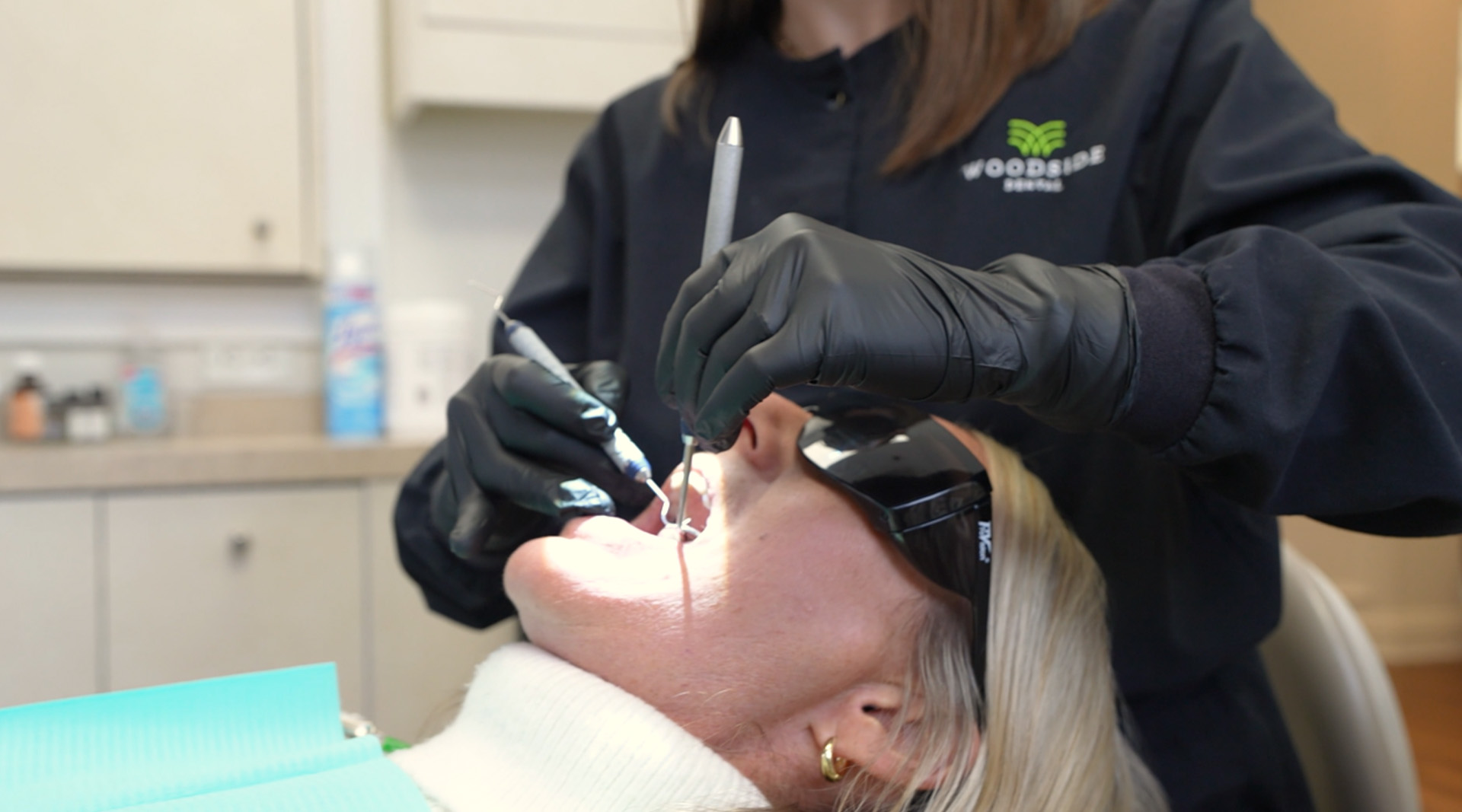
Oral cancer is a serious condition that can affect many parts of the mouth and throat. While it represents a modest percentage of all cancers, its impact on quality of life and overall health can be profound when diagnosis is delayed. Regular screening helps identify abnormalities early, when treatment is more effective and the chances of preserving function and appearance are higher. Because early signs are often subtle, routine checks are an important part of preventive dental care.
Screening is not intended to alarm patients but to provide reassurance and clarity. A screening exam looks for changes that warrant closer attention—not to provide a definitive diagnosis on the spot. Detecting an unfamiliar patch, lump, or persistent sore means a path forward: monitoring, targeted testing, or a referral to a specialist for further evaluation. That early action is what makes screenings so valuable.
For adults of all ages, especially those with risk factors, an oral cancer screening should be a standard component of dental visits. Incorporating this assessment into routine care helps create a record of what’s normal for each patient, making it easier to spot changes over time. A proactive approach reduces uncertainty and supports better long-term outcomes.
Oral cancers can appear in many places within the mouth and throat. The tongue, the oropharynx (including the tonsils), the gums, the floor of the mouth, lips, inner cheek lining, and hard palate are all potential sites. Because these areas are easily accessible during a dental exam, clinicians can inspect and palpate them for anything out of the ordinary, such as persistent sores, roughened patches, or lumps beneath the tissue.
Certain behaviors and exposures increase the likelihood of developing oral cancer. Traditional risk factors include tobacco use and heavy alcohol consumption, which together create a significantly higher risk than either alone. Men historically have had higher incidence rates, especially over the age of 50, but the pattern is evolving. Infection with high-risk strains of human papillomavirus (HPV) has been linked to a rising number of oropharyngeal cancers, shifting patterns of risk and affecting younger patients in some cases.
Other contributors can include prolonged sun exposure to the lips, a history of radiation to the head and neck, chronic gastroesophageal reflux disease (GERD), exposure to certain occupational chemicals, and nutritional deficiencies. Understanding your individual risk profile helps your dental team tailor the frequency and focus of screening exams so detection is as timely as possible.
An oral cancer screening is typically straightforward and painless. It begins with a brief review of medical and dental history to identify recent changes in health, new medications, or symptoms that might be relevant. The clinician will then visually inspect the oral cavity and surrounding structures, looking for color changes, ulcers, white or red patches, and asymmetry in the tissue.
After the visual exam, the provider will often use gentle palpation—feeling the tongue, floor of mouth, and neck—to detect lumps, firm areas, or changes in the texture of soft tissues. This hands-on check extends to the glands and lymph nodes in the neck and beneath the jaw, because enlargement or tenderness can sometimes accompany concerning findings in the mouth or throat. The combined visual and tactile approach helps form an initial clinical impression.
In some practices, adjunctive technologies are used as supplementary tools to highlight suspicious areas during an exam. These methods do not replace clinical judgment or biopsy, but they can help direct attention to sites that might otherwise be missed. If an abnormal area is discovered, the usual next steps include monitoring the site over time, documenting changes, or arranging referral for diagnostic testing such as a biopsy performed by an appropriate specialist.
Many early signs of oral cancer are subtle. Patients should be mindful of sores that fail to heal within two weeks, unexplained lumps or thickened areas, persistent patches of red or white discoloration, or numbness and unusual sensations in the mouth or on the lips. Other possible indicators include difficulty swallowing, persistent hoarseness, changes in voice, or persistent ear pain without another clear cause. Any of these symptoms merit a prompt evaluation.
It’s also important to note changes in habits or oral function—such as a denture that suddenly fits poorly over a short period—because tissue changes can alter how oral appliances fit. Unexplained bleeding, chronic sore throat, or difficulty moving the tongue may also signal the need for a clinical assessment. When in doubt, patients should bring symptoms to their dental provider’s attention rather than waiting for the next scheduled visit.
Timely reporting of unusual signs allows the dental team to compare current findings with prior exams and make informed recommendations. Early recognition often means less invasive diagnostic work and a broader range of treatment options should pathology be confirmed.
If a clinician identifies tissue that looks or feels suspicious, it does not necessarily mean cancer is present. Many benign conditions can mimic early cancerous changes. The important point is that any suspicious lesion requires a clear plan: observation with scheduled re-evaluation, documentation with photographs, or referral for diagnostic testing such as a biopsy. Your dental team will explain the rationale for the chosen approach and coordinate care with medical colleagues when appropriate.
When biopsy or further medical evaluation is recommended, dental professionals often serve as a first line in coordinating referrals to oral surgeons, otolaryngologists (ENTs), or oncologists. Collaboration between disciplines ensures that diagnostic steps are taken without delay and that treatment planning benefits from a comprehensive perspective. Monitoring and coordinated care help patients navigate the process with fewer unknowns and better support.
Prevention and risk reduction are also part of follow-up care. Discussion of modifiable risks—like tobacco cessation, reducing alcohol use, sun protection for the lips, and awareness of HPV—complements clinical monitoring. For patients who wish to reduce their risk proactively, your dental team can provide guidance and referrals to appropriate resources as part of an overall plan for oral and systemic health.
At Woodside Dental, we emphasize thorough, routine screenings as a core part of preventive care. Early detection of suspicious changes can make a meaningful difference in outcomes, and our team is committed to careful exams, clear communication, and coordinated follow-up when necessary. If you have questions about oral cancer screening or are noticing changes in your mouth or throat, please contact us for more information and guidance.
We look forward to meeting you. Call our Columbia dental office at (410) 312-5660 or request an appointment online to set up your first visit. We’ll be in touch soon.

Woodside Dental
6345 Woodside Court, Suite 103
Columbia, MD 21046
PHONE: (410) 312-5660